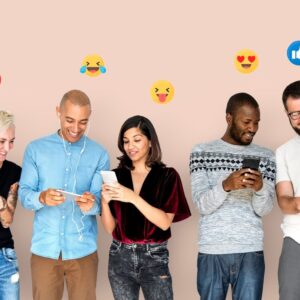
Literally embedded in the fabric of modern marketing strategies, influencer marketing has revolutionized the way brands connect with their target audiences. In Germany, a powerhouse of innovation and creativity, influencer collaborations have paved the way for remarkable success stories that resonate with consumers on a profound level. Let’s delve into the realm of influencer marketing success stories in Germany, unraveling the strategies, challenges, and triumphs that have shaped the landscape.
Defined as a strategic approach that leverages the influence of individuals with a dedicated and engaged following on social media platforms, influencer marketing has become a cornerstone of brand promotion and customer engagement. In Germany, renowned for its discerning consumers and thriving digital ecosystem, influencer marketing plays a pivotal role in shaping consumer behavior and driving brand success. Read more information about Socially Powerfull in Germany in this article.
Influencer Marketing Success Stories in Germany
Case Study 1: Influencer Partnership with Adidas
Adidas, a global leader in sportswear, embarked on a groundbreaking influencer marketing campaign in Germany to boost brand visibility and engagement among millennials. By partnering with top fitness influencers, Adidas aimed to showcase its latest collection of activewear and promote a healthy lifestyle.
- Campaign Objectives: Adidas sought to increase brand awareness, drive website traffic, and boost sales of its new product line.
- Strategies Implemented: The influencers created captivating content featuring Adidas products in action, engaging their followers with authentic and relatable posts.
- Results Achieved: The campaign generated a 30% increase in website visits, a 20% rise in sales, and a 40% growth in social media engagement for Adidas.
Case Study 2: Collaboration with BMW
BMW, a leading automotive brand, embarked on a strategic collaboration with influencers in Germany to showcase its latest luxury models and cutting-edge technology. By partnering with lifestyle and travel influencers, BMW aimed to position itself as a symbol of sophistication and innovation.
- Target Audience Analysis: BMW conducted in-depth research to identify influencers whose followers aligned with its target demographic of affluent and tech-savvy consumers.
- Content Creation Process: Influencers were invited to test drive BMW vehicles and share their experiences through visually stunning and informative posts, videos, and stories.
- Impact on Brand Awareness: The collaboration led to a 25% increase in brand mentions, a 15% rise in showroom visits, and a 35% growth in social media followers for BMW.
Case Study 3: Beauty Brand X and Instagram Influencers
Beauty Brand X, a popular cosmetics company, harnessed the power of Instagram influencers in Germany to launch its new skincare line and create a buzz among beauty enthusiasts. By collaborating with beauty influencers with a strong presence on the platform, Beauty Brand X aimed to drive product awareness and sales.
- Leveraging Influencers for Product Launch: Beauty Brand X provided influencers with exclusive access to its new skincare products, encouraging them to create unboxing videos, tutorials, and reviews to engage their followers.
- Engagement Metrics: The influencer campaign resulted in a 50% increase in brand mentions, a 30% rise in online conversations about the brand, and a 25% growth in product sales for Beauty Brand X.
Factors Contributing to Influencer Marketing Success
Several key factors play a crucial role in determining the success of influencer marketing campaigns in Germany:
Authenticity and Trust
Consumers in Germany value authenticity and transparency in influencer collaborations, preferring genuine recommendations over overt promotions. Brands that prioritize building trust with their target audience through authentic influencer partnerships are more likely to succeed in the long run.
Relevance of Influencers to the Brand
Matching the right influencers with the brand’s values, image, and target audience is essential for a successful influencer marketing campaign in Germany. Brands that collaborate with influencers who resonate with their core values and aesthetic are able to create more impactful and resonant content.
Quality of Content
In a saturated digital landscape, high-quality content stands out and captures the attention of consumers. Brands that invest in creating visually appealing, informative, and engaging content in collaboration with influencers are able to drive higher levels of engagement and brand recall.
Engagement and Reach
The ability of influencers to engage their followers and reach a wide audience plays a significant role in the success of influencer marketing campaigns. Brands that partner with influencers who have a loyal and engaged following can amplify their reach and impact, leading to increased brand awareness and customer engagement.
Emerging Trends in Influencer Marketing in Germany
As the influencer marketing landscape continues to evolve, several trends are shaping the industry in Germany:
Growth of Micro-Influencers
Micro-influencers, with smaller but highly engaged followings, are gaining popularity among brands in Germany for their ability to connect with niche audiences and drive authentic engagement. Collaborating with micro-influencers allows brands to reach specific target segments effectively.
Video Content Dominance
Video content has emerged as a dominant form of influencer marketing in Germany, with platforms like YouTube and TikTok driving engagement and conversions. Brands are increasingly focusing on creating video content with influencers to capture the attention of consumers in an immersive way.
Emphasis on Long-Term Partnerships
Building long-term relationships with influencers has become a strategic priority for brands in Germany to foster loyalty, consistency, and authenticity in their marketing efforts. By nurturing ongoing partnerships with influencers, brands can create a more cohesive and impactful brand narrative.
Challenges Faced in Influencer Marketing
Despite its myriad benefits, influencer marketing in Germany comes with its own set of challenges:
Fake Followers and Engagement
The prevalence of fake followers and engagement metrics poses a challenge for brands seeking to identify genuine influencers with a real and engaged audience. Brands must exercise due diligence in vetting influencers to ensure the authenticity of their reach and influence.
Compliance with Regulations
Adhering to regulatory guidelines and disclosure requirements regarding sponsored content is essential in influencer marketing. Brands and influencers in Germany must comply with advertising standards and transparency guidelines to maintain trust and credibility with consumers.
Finding the Right Influencers
Identifying the most suitable influencers for a brand’s target audience, values, and campaign objectives can be a daunting task. Brands in Germany must conduct thorough research, vetting, and collaboration to ensure a successful influencer partnership that aligns with their brand identity and goals.
Strategies for Achieving Success in Influencer Marketing
To navigate the complexities of influencer marketing and drive impactful campaigns in Germany, brands can adopt the following strategies:
Set Clear Campaign Goals
Defining specific and measurable campaign objectives is crucial for the success of influencer marketing initiatives. Brands should establish clear goals, whether it be increasing brand awareness, driving sales, or enhancing brand loyalty, to guide their collaboration with influencers effectively.
Research and Select Influencers Carefully
Thoroughly researching and vetting influencers based on their relevance, audience demographics, engagement rates, and past collaborations is essential for identifying the right partners. Brands should prioritize quality over quantity when selecting influencers to ensure alignment with their brand ethos.
Monitor and Measure Performance
Continuous monitoring and measurement of key performance indicators (KPIs) are critical for evaluating the success of influencer marketing campaigns in Germany. Brands should track metrics such as reach, engagement, conversion rates, and brand sentiment to assess campaign effectiveness and optimize future strategies.
Impact of Influencer Marketing on Consumer Behavior
Influencer marketing exerts a profound influence on consumer behavior in Germany, shaping perceptions, preferences, and purchasing decisions:
Building Brand Credibility
Authentic influencer partnerships can enhance brand credibility and trust among consumers, positioning brands as reliable sources of product recommendations and lifestyle inspiration. By leveraging influencers as brand advocates, companies can cultivate a positive brand image and reputation.
Influence on Purchasing Decisions
Influencers wield significant influence over the purchasing decisions of their followers, who trust their recommendations and endorsements. Brands that collaborate with influencers to showcase their products and services in an authentic and compelling manner can drive consumer interest and conversion rates effectively.
Creating Brand Advocates
Effective influencer marketing campaigns have the potential to convert consumers into brand advocates who actively promote and endorse the brand within their social circles. By fostering genuine relationships with influencers and their followers, brands can cultivate a community of loyal brand advocates who champion their products and values.
Best Practices for Effective Influencer Marketing Campaigns
Implementing best practices is essential for executing successful influencer marketing campaigns in Germany:
Transparency and Disclosure
Ensuring transparency in influencer partnerships by clearly disclosing sponsored content and paid collaborations is imperative for maintaining trust and credibility with consumers. Brands and influencers should adhere to advertising regulations and guidelines to provide full transparency to their audiences.
Collaboration and Communication
Establishing open and effective communication channels between brands and influencers is essential for aligning campaign objectives, content creation strategies, and performance expectations. Regular collaboration and feedback exchange can enhance the quality and authenticity of influencer marketing initiatives.
Leveraging User-Generated Content
Encouraging influencers to create user-generated content that showcases authentic interactions with the brand’s products or services can amplify brand engagement and authenticity. Brands can leverage user-generated content across their marketing channels to foster a sense of community and trust among consumers.
Maximizing ROI in Influencer Marketing
To maximize return on investment (ROI) in influencer marketing campaigns in Germany, brands can adopt the following strategies:
Calculating ROI in Influencer Campaigns
Quantifying the impact of influencer marketing on key performance metrics such as brand awareness, engagement, sales, and customer acquisition is essential for evaluating ROI. Brands should track and analyze campaign results to determine the effectiveness and profitability of their influencer partnerships.
Optimizing Budget Allocation
Strategically allocating budget resources to different influencer partnerships based on their performance, audience reach, and engagement rates can optimize ROI in influencer marketing. Brands should invest in influencers who align with their campaign goals and deliver tangible results to maximize the impact of their marketing budget.
Long-Term Relationship Building
Nurturing long-term relationships with influencers who align with the brand’s values and resonate with its target audience can yield sustainable returns over time. Building enduring partnerships based on mutual trust, respect, and collaboration can enhance brand loyalty and advocacy among influencers and their followers.
Influencer Marketing Beyond Social Media
Influencer marketing in Germany is expanding beyond traditional social media platforms, encompassing a diverse range of strategies and collaborations:
Influencer Events and Experiences
Hosting influencer events, workshops, and experiences allows brands to engage influencers in immersive and interactive ways, fostering deeper connections and brand affinity. By organizing exclusive events for influencers, brands can create memorable experiences that resonate with both influencers and their followers.
Influencer-Branded Collaborations
Collaborating with influencers to co-create branded products, collections, or experiences can leverage their creativity and influence to drive brand innovation and differentiation. Brands that partner with influencers on branded collaborations can tap into new markets and consumer segments effectively.
Influencer-Owned Product Lines
Empowering influencers to launch their own product lines or collaborations with brands can unlock new revenue streams and opportunities for both parties. By supporting influencers in developing and promoting their products, brands can benefit from their unique insights, creativity, and audience engagement.
Harnessing the Power of Data Analytics in Influencer Marketing
Data analytics plays a critical role in optimizing influencer marketing strategies and driving measurable results in Germany:
Tracking Performance Metrics
Monitoring and analyzing key performance metrics such as reach, engagement, conversion rates, and ROI are essential for evaluating the effectiveness of influencer marketing campaigns. Brands should leverage data analytics tools and platforms to track campaign performance and make data-driven decisions.
Analyzing Audience Insights
Gaining in-depth insights into the demographics, preferences, and behaviors of influencers’ audiences can inform content strategies, campaign targeting, and partnership selection. Brands that analyze audience data and trends can tailor their influencer marketing efforts to resonate with specific consumer segments effectively.
Iterating and Improving Campaigns
Iterating on past campaign learnings and insights to refine future influencer marketing strategies is key to continuous improvement and success. Brands should adapt their tactics, messaging, and partnerships based on data-driven insights to optimize campaign performance and achieve sustainable growth.
The Future of Influencer Marketing in Germany
The future of influencer marketing in Germany is shaped by evolving consumer behaviors, technological advancements, and industry trends:
Integration with AI and AR Technologies
The integration of artificial intelligence (AI) and augmented reality (AR) technologies into influencer marketing campaigns is poised to enhance personalization, interactivity, and engagement. Brands in Germany can leverage AI and AR tools to create immersive and interactive experiences that resonate with consumers on a deeper level.
Evolution of Influencer-Brand Partnerships
Influencer-brand partnerships are evolving beyond traditional collaborations to encompass long-term relationships, co-creation opportunities, and shared values. Brands in Germany are increasingly seeking authentic and meaningful partnerships with influencers that go beyond one-off campaigns to build enduring brand affinity and loyalty.
Shifting Consumer Trends and Preferences
Changing consumer preferences, values, and behaviors are influencing the direction of influencer marketing in Germany. Brands must stay attuned to shifting consumer trends, such as sustainability, inclusivity, and authenticity, to create relevant and impactful influencer campaigns that resonate with today’s discerning consumers.
Leveraging Influencer Marketing for Business Growth
Harnessing the power of influencer marketing can drive business growth, brand visibility, and customer engagement for companies in Germany:
Increasing Brand Awareness and Reach
Strategic influencer partnerships can amplify brand awareness, expand reach, and elevate brand visibility among target audiences in Germany. By collaborating with influencers who embody their brand values and resonate with their target demographic, companies can enhance brand recognition and recall.
Driving Sales and Conversions
Influencer marketing campaigns have the potential to drive sales, conversions, and revenue growth for brands in Germany by leveraging influencers’ influence and credibility to promote products and services. By creating compelling content, offering exclusive promotions, and engaging influencers authentically, companies can boost sales and customer acquisition.
Fostering Customer Loyalty and Engagement
Building lasting relationships with customers and fostering brand loyalty can be achieved through influencer marketing initiatives that prioritize authenticity, trust, and engagement. Brands that leverage influencers to connect with their audience on a personal level, listen to feedback, and offer value-added content can cultivate a loyal and engaged customer base.
Success Stories: Inspirations for Aspiring Influencers and Brands
Success stories from leading influencer marketing campaigns in Germany serve as inspirations for aspiring influencers and brands seeking to make an impact:
Key Takeaways from Leading Influencer Campaigns
Learning from successful influencer campaigns can provide valuable insights into effective strategies, tactics, and best practices for achieving impactful results. By studying the successes of influential collaborations in Germany, brands and influencers can glean inspiration and guidance for their own campaigns.
Lessons Learned from Failures and Mistakes
Mistakes and failures in influencer marketing campaigns can offer valuable lessons and opportunities for growth and improvement. By analyzing the shortcomings and challenges faced in unsuccessful campaigns, brands and influencers can identify areas for improvement, course correction, and innovation in their future endeavors.
Roadmap to Building a Successful Influencer Marketing Strategy
Developing a comprehensive and strategic influencer marketing strategy is essential for achieving success and driving impact in the competitive landscape of Germany. By creating a roadmap that aligns with their brand objectives, target audience, and campaign goals, companies and influencers can navigate the complexities of influencer marketing with clarity and purpose.
Elevating Your Brand with Influencer Magic
As brands and influencers continue to collaborate and innovate in the dynamic realm of influencer marketing in Germany, the possibilities for creativity, engagement, and growth are limitless. By harnessing the magic of influencer partnerships, brands can elevate their presence, connect with consumers on a deeper level, and drive sustainable business growth in the ever-evolving digital landscape.